Caspian University Becomes a Platform for International Youth Diplomacy at UNIMUN–2026
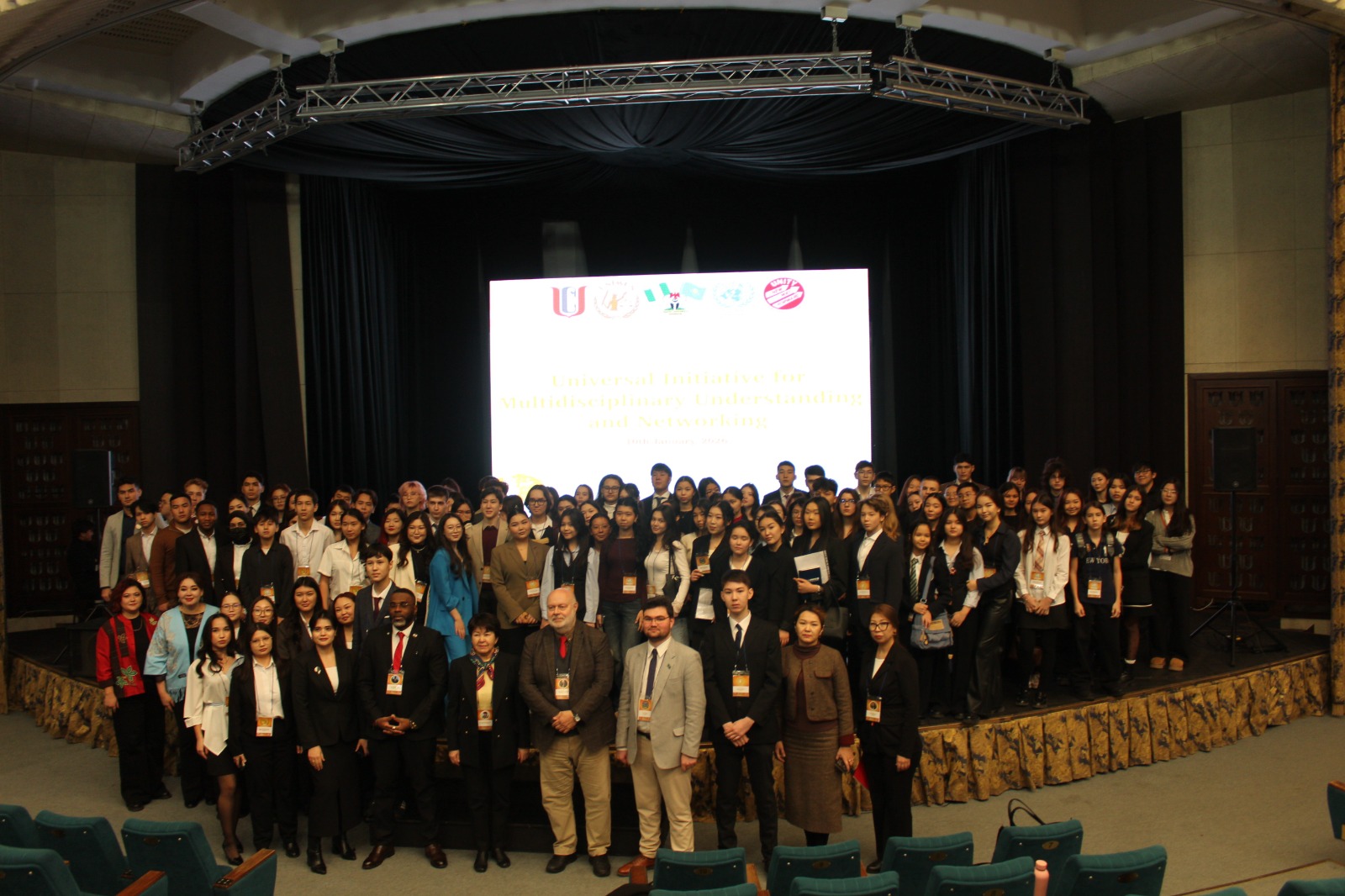
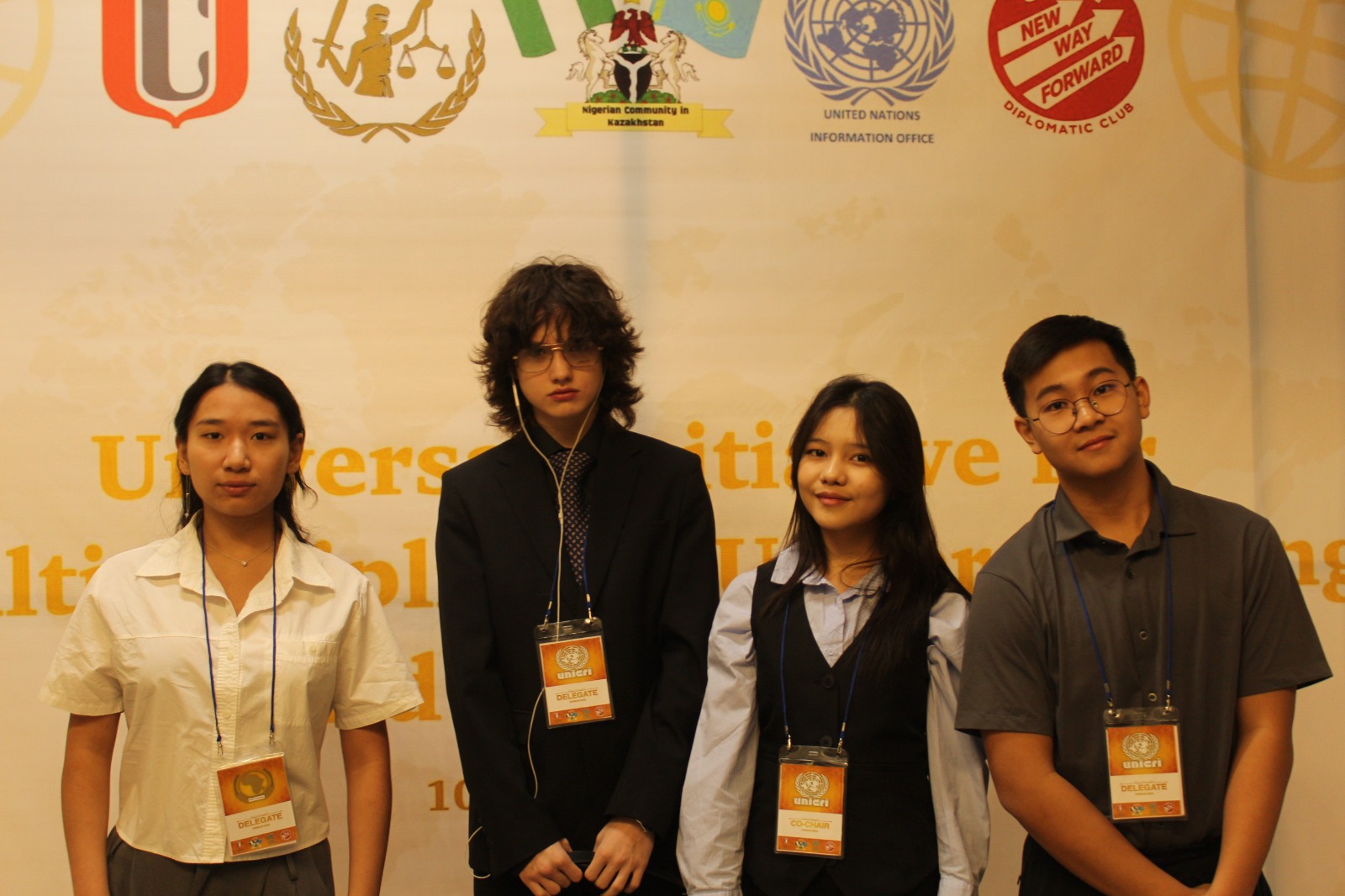
On 10 January 2026, Caspian University hosted the international youth conference UNIMUN–2026 — Universal Initiative for Multidisciplinary Understanding and Networking, organised by the Higher School of Humanities of Caspian University with the support of the Unity Youth Diplomatic Club.
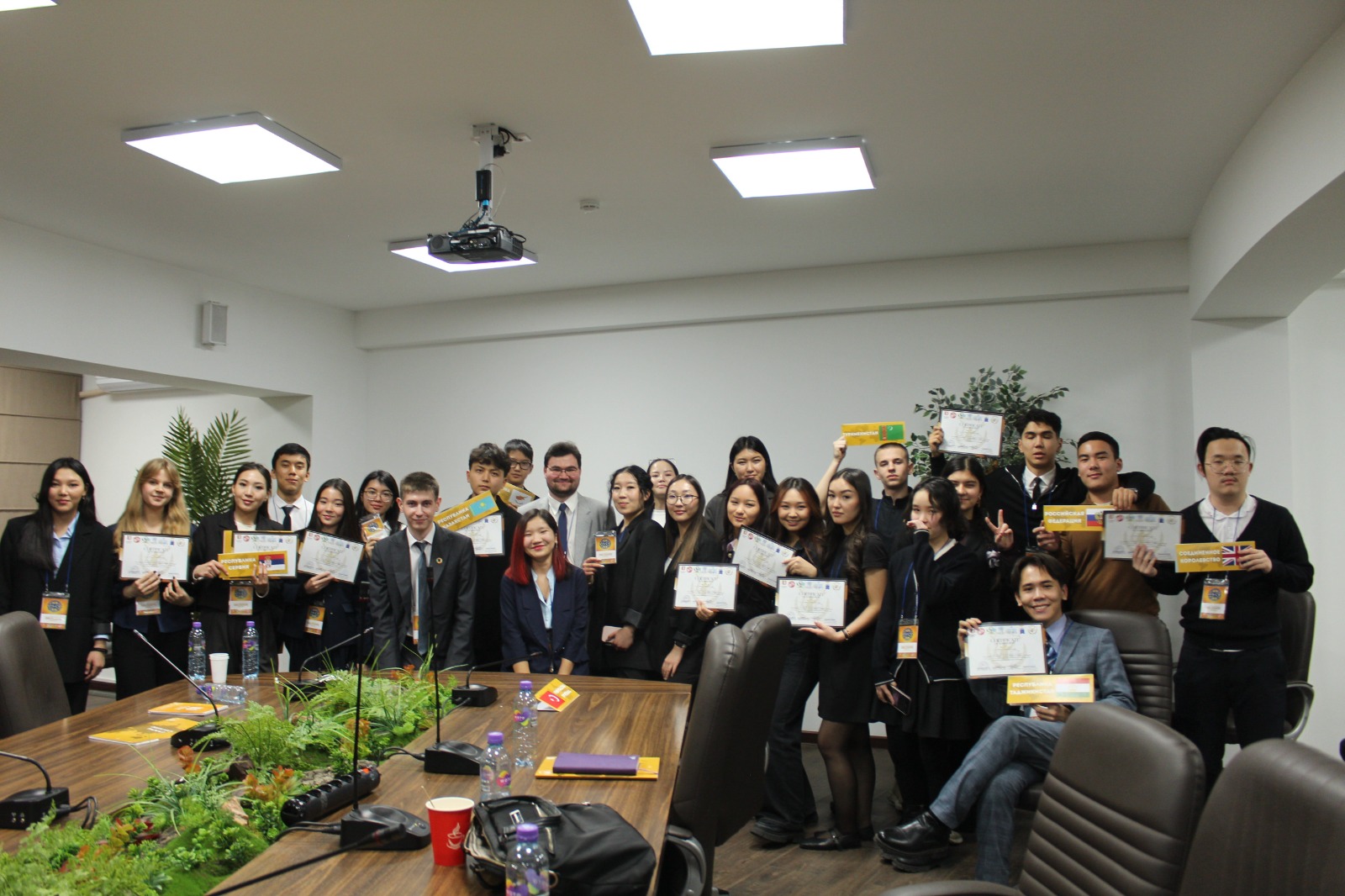
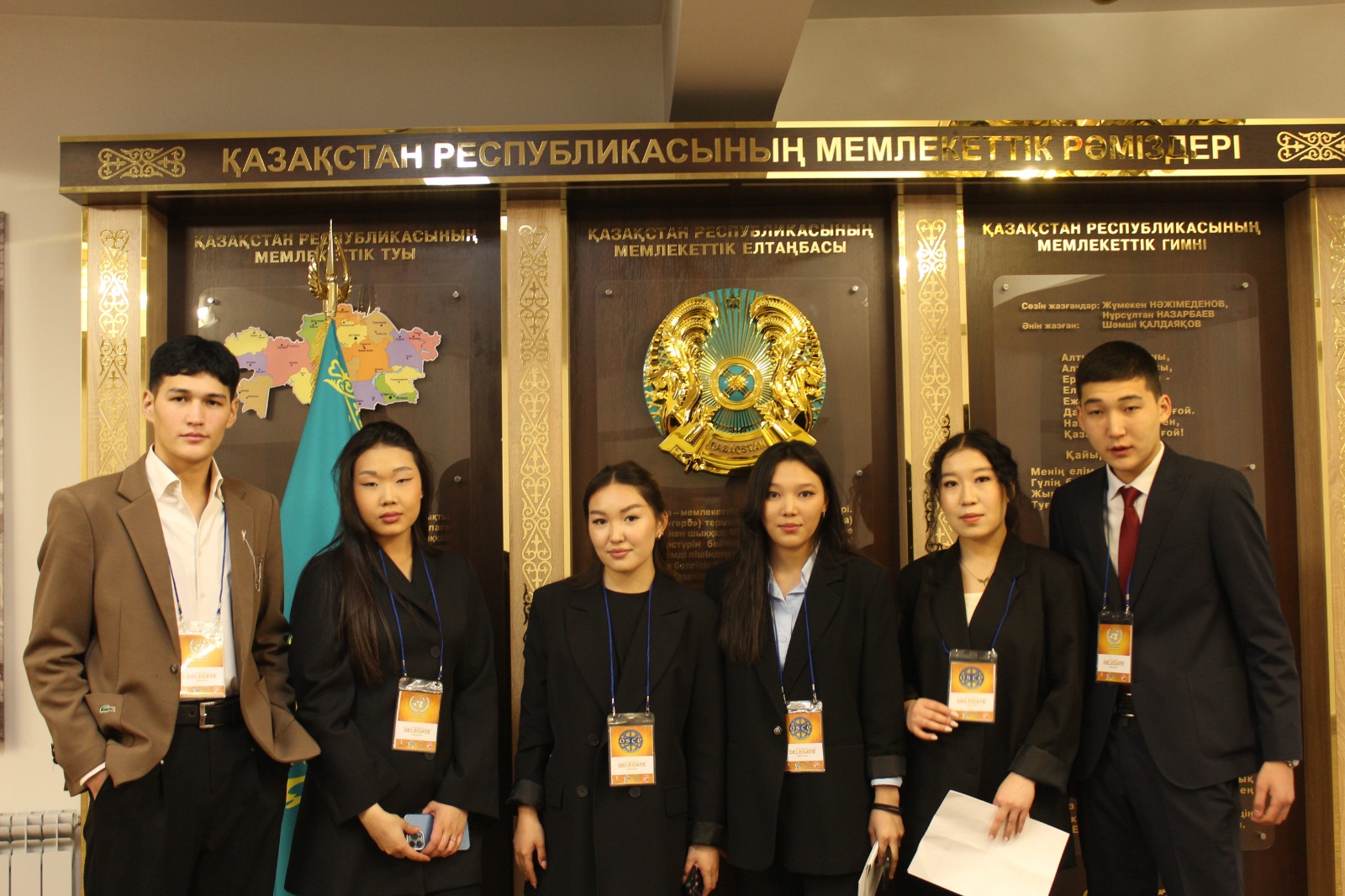
The event brought together more than 120 school pupils and university students from the Republic of Kazakhstan and Central Asian countries, becoming a large-scale educational and communication platform for discussing pressing issues of global politics, international security, and global cooperation.
The official opening ceremony took place in Dostyk Hall and included the performance of the State Anthem of the Republic of Kazakhstan, a cultural programme featuring the traditional Kazakh dombra ensemble Altyn Perne, as well as welcome and keynote addresses by the university leadership.
Welcoming remarks were delivered by:
Among the key international speakers were:
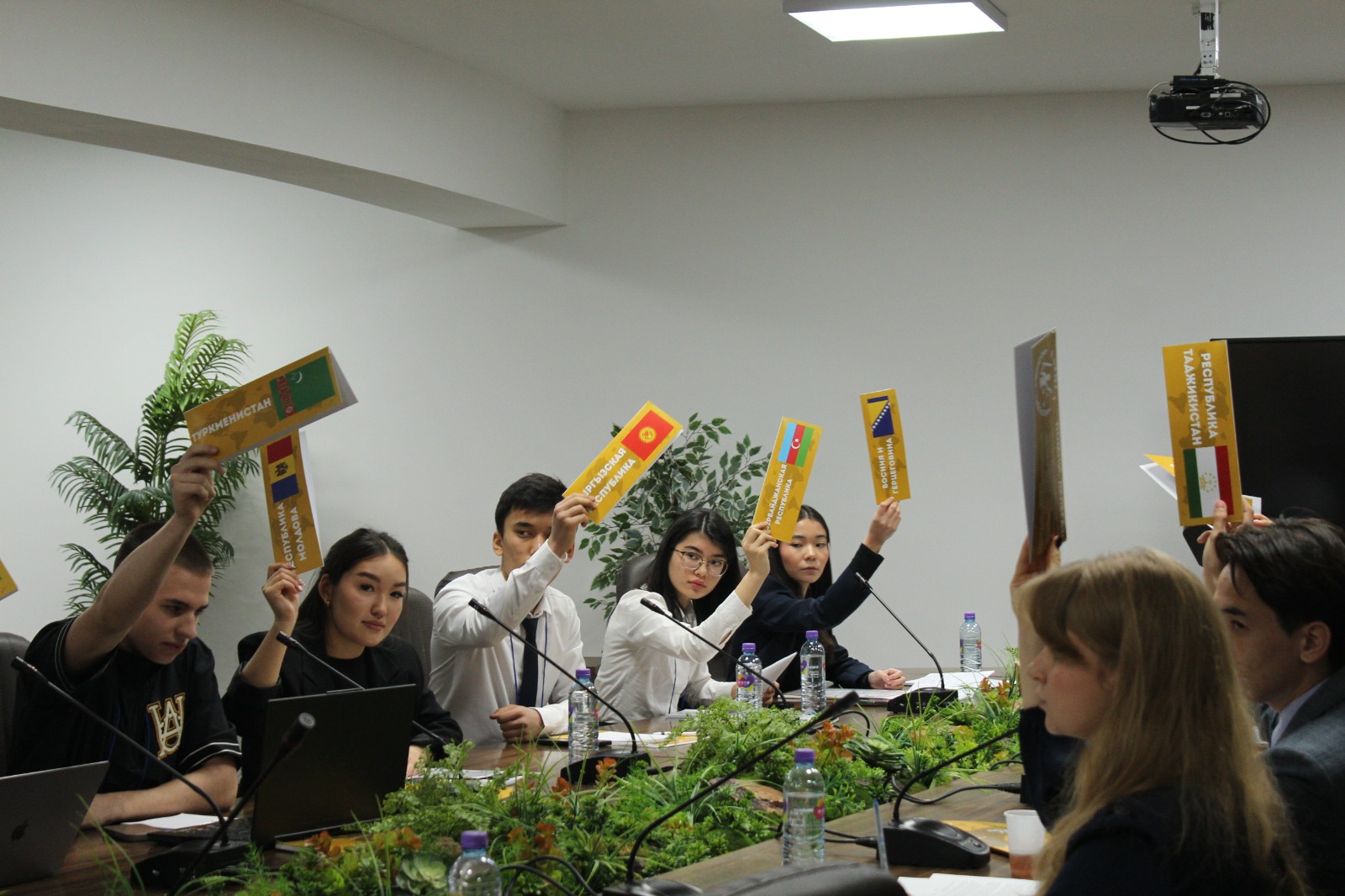
The conference was conducted in the format of an academic and professional simulation of international organisations — Model United Nations. Work was organised across five parallel streams, allowing for broad coverage of international institutions and linguistic formats.
Within the framework of UNIMUN–2026, the following models of international organisationsoperated:
Committee sessions were held in Kazakh, Russian, and English, highlighting the multilingual and international character of the conference and ensuring equal participation for delegates with diverse linguistic backgrounds.
Participants assumed the roles of official delegates of states and international institutions. They prepared and defended position papers, engaged in formal debates, conducted negotiations, and drafted resolutions in strict accordance with diplomatic protocol and the procedural rules of international organisations.
The committees addressed key challenges of the 21st century, including:
UNIMUN–2026 proved to be an effective educational platform for developing practical youth competencies such as:
At the conclusion of the conference, the most outstanding participants were recognised in the categories Best Delegate, Outstanding Delegate, and Best Position Paper, acknowledging their academic excellence, leadership potential, and high level of engagement.
The successful implementation of UNIMUN–2026 reaffirmed Caspian University’s status as an active participant in the international educational arena and as one of the key centres for the development of youth diplomacy in Central Asia. The university consistently supports initiatives aimed at nurturing a new generation of professionals prepared for effective engagement in a globally interconnected world.
The information was prepared by
Dana Amirbayeva, Deputy Dean for Development of the
Higher School of Humanities.